
InnoPac
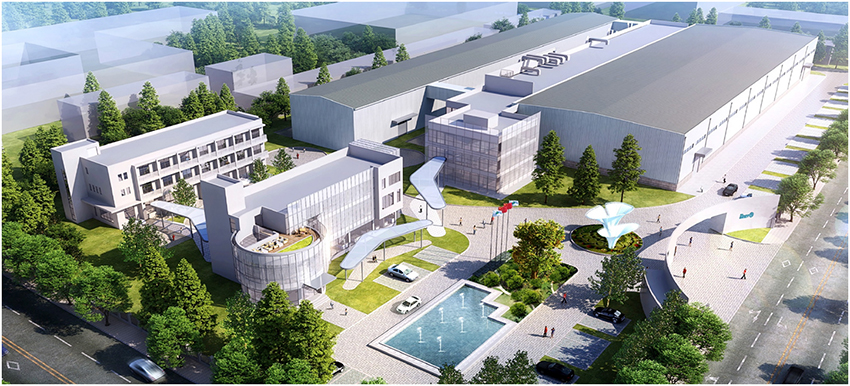
Shanghai InnoPac Medical is a technology innovation enterprise dedicated to developing high-end pharmaceutical packaging materials and medical devices for pharmaceutical and medical-device companies at home and abroad. Established in October 2021, the company wholly acquired Shanghai Beilaifu Technology Co., Ltd., completing the full integration from medical reagents to medical packaging and medical devices, and realizing the convergence of four major business segments: input systems, transfer systems, injection systems, and custom development systems.
In 2022, Shanghai InnoPac successfully applied for and was awarded the Songjiang District National-Level Smart Factory project, achieving production automation, unmanned logistics, and factory digitalization.
Business Needs & Challenges
- Compliance & Quality Traceability: Class II and III medical devices lack electronic management of production batch records and electronic signatures; a UDI traceability system has not been established, product full-lifecycle data cannot interface with the NMPA (National Medical Products Administration), and it is difficult to meet regulatory review and quality compliance requirements
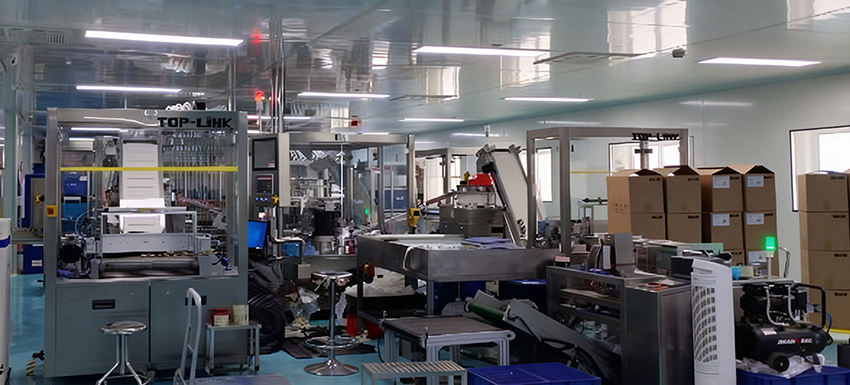
- Production Execution & Data Collection: Injection molding (Fanuc / Sumitomo / Haitian, 23 machines), fully automated assembly lines, and other multi-brand, multi-equipment assets are not networked for data collection; production progress, output, and yield rely on manual recording and statistics, making execution opaque
- Warehouse & Inventory Fine-Grained Management: Line-side warehouses, centralized feeding rooms, etc. lack refined control; operations such as automatic inbound/outbound, re-packaging, unpacking, and material return at the 8,000 m², 19-meter-high AS/RS are not linked with MES, leaving record-to-physical consistency and material kitting readiness unguaranteed
- Intelligent Logistics Coordination: AGV delivery (9 units) from the warehouse exit to the centralized feeding room, injection molding workshop, and assembly workshop is not integrated with WMS/MES; material delivery relies on manual handover, and flexible unmanned delivery has not yet been realized
- System Integration & Information Silos: Third-party software and hardware interfaces—including Kingdee Cloud Galaxy ERP, AS/RS WCS, AGV scheduling RCS, 3D digital twin, CCD vision inspection, centralized feeding system, and automated assembly lines—are not integrated, preventing data interconnection, interoperability, and sharing
- Automation & Digitalization Convergence: The foundation of automated equipment is already in place, but a unified MOM platform base is lacking; automation and informatization remain "two separate layers," making it difficult to support the strategic transition from "Industry 4.0" to "Industry 5.0"
Implementation Scope
N2.MES Manufacturing Execution System
- Workshops: Injection molding workshop, comprising 23 injection molding machines (Fanuc, Sumitomo, Haitian), and fully automated assembly lines (pre-assembly, chemical filling and sealing, assembly line, fully automated packaging line)
- Core Demands: Achieve production batch-record tracking and traceability, electronic signatures, and UDI-code traceability compliant with Class II and III medical devices; realize data interfacing with the NMPA; through the implementation of this MOM project, achieve deep convergence of automation and digitalization, leading Xinyao Paike's strategic transition from "Industry 4.0" to "Industry 5.0";
N2.WMS Warehouse Management System
- Warehouses: Beyond inbound, outbound, and inventory management, refined control covers line-side warehouses, centralized feeding rooms, and more
- Achieve integrated scheduling with the 8,000 m², 19-meter-high AS/RS, including automatic inbound/outbound, re-packaging, unpacking management, and material-return management
- Achieve full integration with the intelligent-logistics AGVs (9 units) running from the warehouse exit to the centralized feeding room, injection molding workshop, and assembly workshop, enabling flexible unmanned delivery
Third-Party Software & Hardware Interface Integration
- Kingdee Cloud Galaxy ERP, AS/RS WCS interface, AGV scheduling system RCS interface, and 3D digital twin platform interface
- Centralized feeding system, three types of injection molding machines, automated assembly lines, CCD vision inspection, fully automated packaging line, and floor elevator interaction
Core Requirements Addressed
- Establish electronic management of production batch records and electronic signatures, meet UDI-code traceability requirements for Class II and III medical devices, achieve data interfacing with the NMPA, and satisfy regulatory review and quality compliance
- Collect data online from 23 injection molding machines of 3 types (Fanuc, Sumitomo, Haitian) and fully automated assembly lines, making production progress, output, and yield real-time and transparent, replacing manual recording and statistics
- WMS covers refined control of line-side warehouses and centralized feeding rooms, with integrated scheduling for the 8,000 m², 19-meter-high AS/RS; automatic inbound/outbound, re-packaging, unpacking, and material-return operations are linked with MES, ensuring record-to-physical consistency and material kitting readiness
- The 9 AGVs are fully integrated with WMS/MES, enabling flexible unmanned delivery from the warehouse to the centralized feeding room, injection molding, and assembly workshops
- Integrate third-party software and hardware interfaces—Kingdee Cloud Galaxy ERP, AS/RS WCS, AGV scheduling RCS, 3D digital twin, CCD vision inspection, centralized feeding system, and others—enabling data interconnection, interoperability, and sharing
- Through the implementation of the MOM platform, achieve deep convergence of automation and digitalization, leading Xinyao Paike's strategic transition from "Industry 4.0" to "Industry 5.0"
Implementation Benefits
- Smart factory reaching full production of 180 million units, with annual output value exceeding RMB 1 billion
- RMB 580 million investment leveraged through collaboration to increase unit output
- Digital twin improves OEE and shortens delivery cycle
- Reuse of 70+ patents compresses new-product introduction cycle
- Smart warehousing reduces labor and work-in-process (WIP) occupation
- Digital energy management saves 8%–15% of annual operating costs
- Full-process traceability compliance reduces recall risk
- Digital twin reduces downtime, making the supply chain more controllable
