
SUPCON
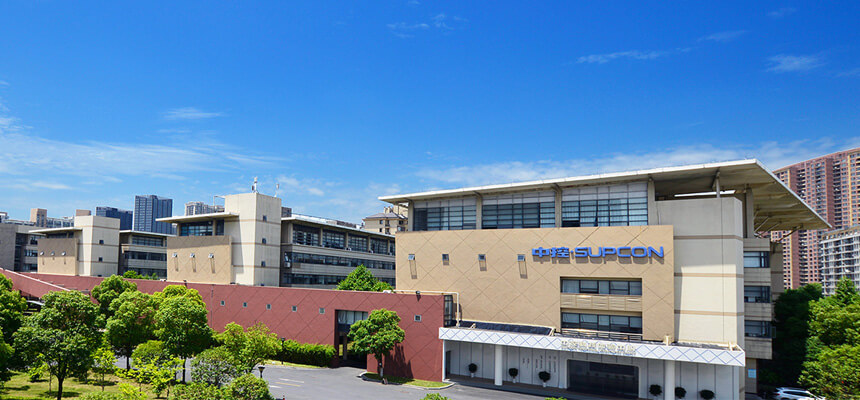
Zhejiang SUPCON Technology Co., Ltd. is a technology-leading listed enterprise in China's process automation industry. The company provides automation control–centered products and solutions such as DCS control cabinets, intelligent transmitters, flowmeters, and electromagnetic flowmeters. Its products have been used in more than 50 countries, serving over 21,000 global enterprises, and SUPCON has ranked first in China's DCS market share for ten consecutive years.
Business Needs
- Warehouse operations involve a large amount of unnecessary project transfers and reallocations.
- Multiple group warehouses make it difficult to view real-time inventory records, resulting in low dispatching efficiency.
- Supplier barcodes vary in format, and manual barcode labeling is inefficient and error-prone.
- Traditional manual operations make FIFO difficult to enforce, leading to stagnant inventory.
- Paper-based recordkeeping causes delayed KPI visibility and affects managerial decision-making.
Implementation Overview
N2.WMS Warehouse Management System
Covers cloud label printing, BPM system integration, inbound and outbound management, inventory transfers, material preparation management, warehouse inventory counting, and quality control. The system supports the main warehouse as well as local warehouses in Chengdu, Weifang, Jinan, Xi'an, Nanjing, Kunming, and other locations.

How the Solution Addresses Core User Needs
- Performs material kitting analysis and locking by project, with system-based allocation to improve operational efficiency.
- Implements three-level warehouse access control and integrates with the BPM system for centralized data management and scientific allocation.
- Deploys a cloud-based label platform integrated with the SRM system to achieve unified label management.
- Reduces stagnant inventory through system-enforced FIFO and enables automated IQC quality prevention to block non-conforming materials.
- Automatically generates KPI indicators with accurate and reliable data to support managerial decision-making.
- Introduces AGVs and upgrades freight elevators and sorting lines, enabling MES-linked demand-driven automatic JIT material delivery.
Implementation Benefits
- Warehouse utilization increased by 30%
- Warehouse management costs reduced by 38%
- Warehouse inventory accuracy increased to 99%
- Logistics delivery efficiency increased by 30%
- Data analysis and statistical efficiency increased by 66%
- KPI report lead time shortened from 3 days to 1 day
