
BiTECH
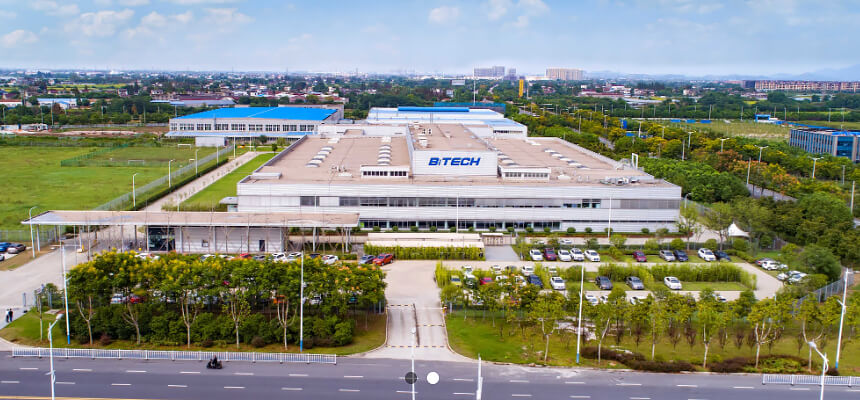
BiTECH Automotive (Wuhu) Co., Ltd. is engaged in the design, development, and manufacturing of automotive electronic products such as instrument clusters (ICUs) and in-vehicle TFT display terminals. The company operates 20 final assembly lines with an annual production capacity of more than 4.5 million sets, supplying major domestic and international automotive brands including Audi, Volvo, Great Wall, Changan, Geely, SAIC-GM-Wuling, and Chery.
Business Needs
- Material traceability granularity is too coarse, with information gaps that prevent full traceability coverage.
- Quality data is recorded on paper, resulting in poor data usability and lack of quality prevention.
- Production abnormalities are not fed back in a timely manner, with no station-level error-proofing or closed-loop control.
- Equipment, molds, tools, personnel, and other 5M1E elements are not comprehensively managed.
Implementation Overview
N2.MES Manufacturing Execution System
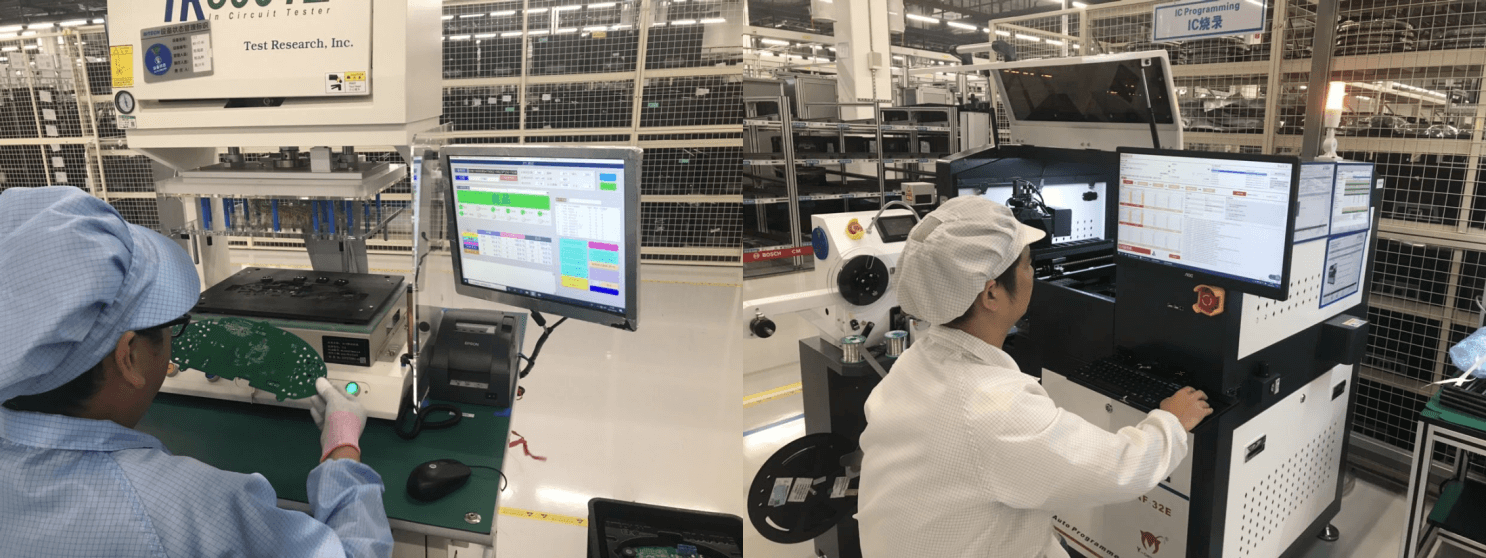
Covers logistics management, work order and plan management, DIP production control, process control, in-process control, equipment integration, quality management, and integration with ERP/MIS systems. The system supports electronic/assembly/packaging-material warehouses, finished-goods warehouses, and SMT lines across the Wuhu and Baoding factories.
How the Solution Addresses Core User Needs
- Fully structures quality data across the industrial chain to achieve end-to-end quality traceability.
- Enables IT-based collection of quality data and automated quality monitoring and analysis to ensure effective quality control.
- Uses Andon systems, station-level error-proofing, and electronic dashboards to visualize manufacturing processes, equipment operation, and quality status.
- Enables front-end barcode-based material management and paperless warehouse operations with full process material traceability.
Implementation Benefits
- Material kitting time shortened by 25%
- Plan fulfillment rate increased by 30%
- Quality data accuracy increased to 100%
- Abnormality handling time reduced by 25%
- Production, quality, and warehouse departmental operating costs reduced by up to 15%
